FEATURED REPORTING
Despite attempted arson attack, congregants attend service at Westmount synagogue - Montreal Gazette
Despite attempted arson attack, congregants attend service at Westmount synagogue - Montreal Gazette
Despite attempted arson attack, congregants attend service at Westmount synagogue - Montreal Gazette

Less than 24 hours after an attempted arson attack damaged Temple Emanu-El-Beth Sholom, congregants were once again filing through the doors of the Westmount synagogue for Friday evening services.
Among them was Kat Romanow, who arrived with her husband and four-year-old son.
“As soon as I heard what happened today, I was definitely shaken,” Romanow said in an interview with The Gazette.
Weeks after closing, Le Nadia women’s sports bar reopens in Hochelaga - Montreal Gazette
Despite attempted arson attack, congregants attend service at Westmount synagogue - Montreal Gazette
Despite attempted arson attack, congregants attend service at Westmount synagogue - Montreal Gazette

As she talks about the future of Le Nadia, Catherine D. Lapointe pauses to throw a pétanque ball across the patio.
The game is set for customers expected at the outdoor venue’s opening on Thursday. Around Lapointe, borrowed benches sit beneath the trees, tables have been arranged for summer crowds, and the Olympic Stadium rises above the skyline.
A month ago, none of this existed.
Lost in Translation - The Sunday Post
Despite attempted arson attack, congregants attend service at Westmount synagogue - Montreal Gazette
Lost in Translation - The Sunday Post
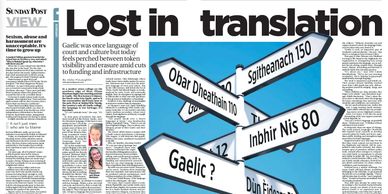
What the decline and revival of Gaelic reveals about identity, infrastructure, and cultural survival.
Exploring language policy, education, and funding, this feature highlights the tension between symbolic recognition and meaningful preservation. It captures how language reflects belonging, power, and national identity.
Flagging Sentiment - The Sunday Post
The Stars, Stripes, and Second Thoughts - The Sunday Post
Lost in Translation - The Sunday Post
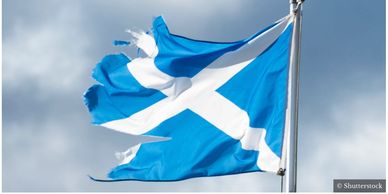
Why national symbols feel more complicated to a generation growing up amid political division.
This feature explores a case study of Quebec and Scotland, and how identity, politics, and belonging are negotiated through everyday symbols. I examine how flags shift meaning depending on context — and what that reveals about a society grappling with unresolved questions of identity.
Fore the Few - The Sunday Post
The Stars, Stripes, and Second Thoughts - The Sunday Post
The Stars, Stripes, and Second Thoughts - The Sunday Post
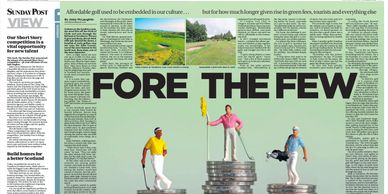
An investigation into rising golf costs and what they reveal about inequality in modern Scotland.
This piece examines how a sport once rooted in public access is increasingly shaped by tourism, rising fees, and exclusivity. It connects cultural identity, economics, and class, showing how affordability shapes who belongs.
The Stars, Stripes, and Second Thoughts - The Sunday Post
The Stars, Stripes, and Second Thoughts - The Sunday Post
The Stars, Stripes, and Second Thoughts - The Sunday Post
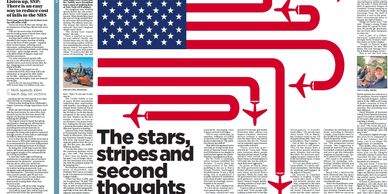
How politics, border policies, and public mood are reshaping travel between Europe and the United States.
This feature combines policy analysis with personal testimony to explore how geopolitical tensions and shifting public sentiment are changing travel decisions. Through real experiences and expert insight, it reveals how international relations now shape everyday mobility.